
Intertwined Universes CCG
Advertisement
Games Overview
Intertwined Universes CCG APK is a strategic multiverse card game featuring unique factions, dynamic universe-based mechanics, and deep deck-building systems.
Table of Contents
Intertwined Universes CCG APK: A Deep Dive Into a Multiverse-Bending Card Experience
Intertwined Universes CCG APK steps into the crowded card-battler landscape with an ambition that feels refreshingly bold. Instead of holding players inside one enclosed world, the game explodes into a constellation of interconnected realms, each operating under its own logic, cultural identity, and mythic ruleset. As a content creator evaluating the game’s creative value, strategic depth, and long-term playability, I find Intertwined Universes to be one of the more conceptually daring mobile card battlers to arrive in recent years. It combines the accessibility of casual CCGs with the intricate ecosystem building of competitive TCGs, offering both narrative richness and mechanical nuance.
This article breaks down the game’s worldbuilding, core systems, faction dynamics, deck-building philosophies, economy structure, and the overall player experience. The goal is to give you a comprehensive snapshot of what Intertwined Universes CCG APK truly delivers beyond surface-level hype.
A Multiverse Structure with Real Strategic Weight
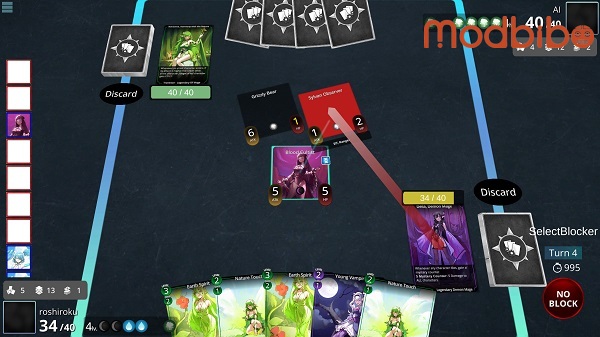
Many games market themselves with multiverse language, but Intertwined Universes actually integrates the concept into its mechanics. The game is built around the idea that each “universe” represents a distinct ruleset that influences how cards behave when played in that environment. Instead of being purely cosmetic, universes act as strategic modifiers, forcing players to think not just about individual cards, but about the interactions between worlds.
Some universes amplify elemental damage. Others reward slower, defensive play. Some penalize creature-heavy decks while empowering spell-oriented strategies. The multiverse framework isn’t just flavor; it dynamically shapes how decks operate. As a result, players constantly adapt, not through brute forcing power but by understanding how the environment interacts with cards.
This structure opens up meaningful game theory considerations. Should you bring a universe that benefits your deck or one that disrupts your opponent’s? Should you specialize in one dimension or construct hybrid builds optimized for cross-universal synergy? These questions ensure that every match feels less like rote gameplay and more like a live strategic negotiation.
Advertisement
Faction Identity and Playstyle Diversity
Intertwined Universes features several main factions, each connected to different universes and philosophies. The faction design is one of the strongest aspects of the game, offering clear archetypes without falling into repetition.
1. The Astral Vanguard
A faction built around celestial warriors, cosmic order, and precision-based damage. These decks rely on tempo control, using effects that reduce randomness and ensure predictable outcomes. Their gameplay appeals to players who love calculated strategies that punish mistakes and reward consistency.
2. The Eclipsed Wilds
This faction embodies chaos magic, shapeshifting beasts, and volatile elemental forces. Effects often trigger at random, but the randomness is strategically constrained, creating a playstyle centered on high-risk, high-reward momentum. This is the faction for players who want explosive matches.
3. The Machina Nexus
A tech-oriented faction that emphasizes modular constructs, resource amplification, and synergy chains. Their gameplay revolves around building machines, linking them, and triggering cascading effects. Machina decks appeal to players who enjoy long-term planning and mechanical combo loops.
4. The Forgotten Depths
A dark, subterranean faction filled with corruption, parasitic entities, and resource denial. They specialize in draining opponent energy, disabling abilities, and manipulating graveyard mechanics. These decks are perfect for control players who prefer slow, methodical matches.
Each faction feels mechanically and aesthetically distinct, which is crucial for a CCG that aims for longevity. The diversity of playstyles creates a system where counterplay becomes more meaningful, encouraging constant experimentation rather than meta stagnation.
Card Design and Rarity Structure
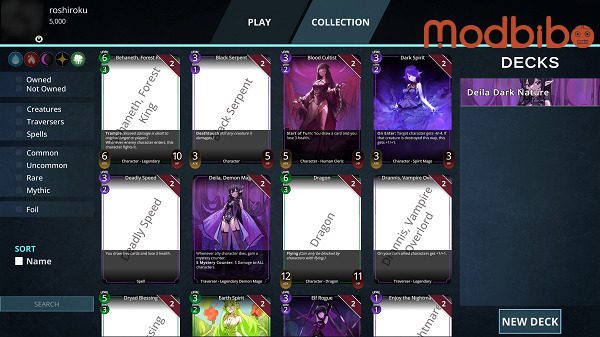
Intertwined Universes organizes its cards across several rarity tiers, but instead of simple power scaling, rarity reflects complexity. Common and uncommon cards provide the backbone for fundamental strategies, while rare and legendary cards offer unique mechanics that reframe how a deck operates.
The design philosophy leans toward synergy over raw stats. Many cards are weak on their own but become essential when paired with specific universe traits or faction mechanics. This synergy-driven design rewards players who invest time into learning interactions rather than chasing top-tier cards.
One standout feature is the “universal shift” attribute found in higher-rarity cards. These cards can temporarily alter the rules of the current universe. For example:
-
A Machina card may activate a dimension shift that turns all creatures into constructs for one turn.
-
An Astral card might re-align the battlefield to favor spell precision.
-
A Wilds card could collapse dimensions, spawning unstable anomalies that impact both players.
These shifts add dynamic unpredictability to matches and create high-skill moments where timing matters more than raw card strength.
Deck Building: A System That Encourages Creativity
The deck-building system in Intertwined Universes CCG APK is unusually flexible for a mobile card game. Instead of locking players into one faction, the game allows hybrid decks as long as universe alignment rules are met. These rules maintain balance without stifling creativity.
Advertisement
Key deck-building features include:
-
Universe alignment bonuses that reward thematic synergy
-
Cross-faction hybrids that encourage experimentation
-
Resource curves that vary depending on universe choice
-
A loadout system for universe traits, allowing players to modify battlefield rules
Players can craft hyper-focused decks, multi-universe hybrids, or adaptive builds meant to counter popular strategies. The complexity ceiling is high, but the learning curve is gentle enough for new players to feel comfortable early on.
Game Modes and Competitive Landscape
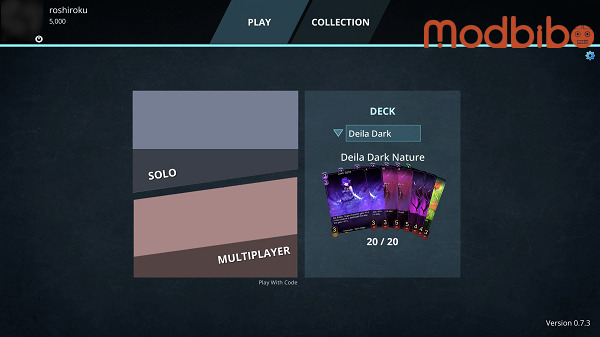
Intertwined Universes includes a broad selection of game modes designed to support every type of player:
Story Mode
A narrative-driven mode that unfolds across multiple dimensions, giving context to the universes and explaining faction lore. The writing is surprisingly layered, offering philosophical introspection as well as world-building.
Versus Mode
The primary competitive environment where players test their builds against others. The matchmaking system is relatively fair, and the metagame evolves as players discover new combos or counter-tech strategies.
Arena Draft
A mode that allows players to build decks on the fly from random selections. This is ideal for players who want spontaneous gameplay that doesn’t rely on card collection.
Challenge Events
Limited-time challenges that modify universe rules. These events often reshape the entire gameplay experience, forcing players to test new strategies.
Progression and In-Game Economy
The game’s progression system does not rely heavily on pay-to-win mechanics. Players can earn a steady stream of resources through daily missions, universe challenges, and competitive play. Card acquisition feels balanced; while legendary cards take time to obtain, they are not mandatory for building strong decks.
One noteworthy aspect is the “universe mastery” system. Instead of focusing solely on card acquisition, players can level up their understanding of each universe, unlocking passive bonuses that apply regardless of deck. This system rewards long-term engagement rather than short-term spending.
Final Evaluation: A Card Game With True Identity
Intertwined Universes CCG APK stands out because it doesn’t just mimic existing card battlers. It invents its own identity through a fusion of multiverse mechanics, faction complexity, universe-based rulesets, and synergy-driven gameplay. The result is a card game that feels both familiar and fundamentally new.
Players who enjoy deep strategy, meaningful deck-building, and world-driven gameplay will find a lot to love here. The game balances accessibility with depth, making it suitable for casual players while still giving competitive players room to develop high-level mastery.